-

Gold Mining at the Turn of the 20th Century
The California Gold Rush began on January 24, 1848, when James W. Marshall discovered gold at Sutter’s Mill in Coloma, California. This discovery triggered one of the largest migrations in American history, with approximately 300,000 people traveling to California between 1848 and 1855. The migrants, commonly called “forty-niners” after the peak year of 1849,…
-

The History of Gold
Gold has been valued by human civilizations for thousands of years due to its distinctive physical and chemical properties. The metal’s malleability, corrosion resistance, and reflective appearance made it suitable for crafting decorative and ceremonial objects. Archaeological evidence from ancient Mesopotamia shows that gold was used to create jewelry and ritual items, indicating its…
-

Accessorize with Gold Hat Pins for a Touch of Elegance
Hat pins emerged in the late 19th century as functional accessories designed to secure women’s hats, which were essential elements of fashionable dress during this period. These pins were typically long and decorative, manufactured from materials such as gold, silver, and enamel. The increasing complexity of women’s headwear, which frequently featured feathers, flowers, and…
-
Accessorize with Elegant Gold Hat Pins
The history of hat pins is a fascinating journey that intertwines fashion, culture, and social norms. Originating in the late 19th century, hat pins were initially designed to secure hats in place, especially during a time when elaborate headwear was a staple of women’s fashion. These pins were often long and ornate, crafted from…
-

10 Stunning Gold Charms to Add to Your Collection
Gold charms are small decorative jewelry pieces that serve as symbols of personal expression and commemorate significant life events, memories, or beliefs. These accessories possess both aesthetic value and narrative significance, connecting wearers to their personal history while providing a means of individual expression. Gold charms represent a convergence of historical tradition, skilled craftsmanship,…
-
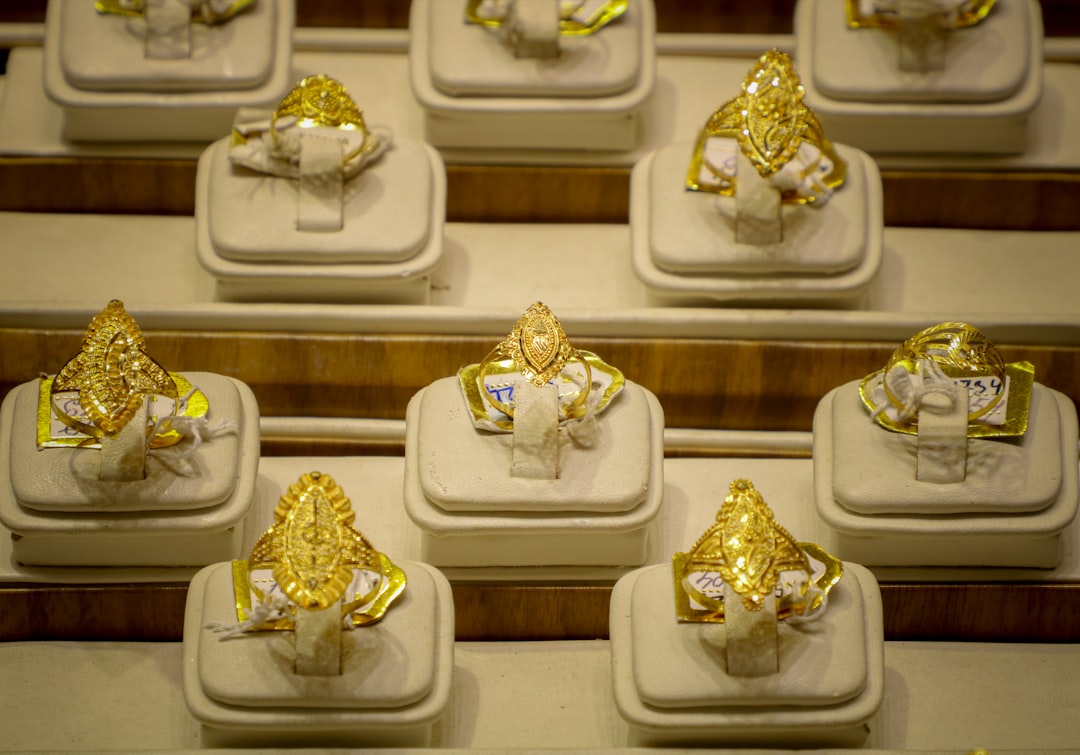
Exquisite Gold Pendants: The Ultimate Accessory
Gold pendants have a rich and storied history that dates back thousands of years. From ancient civilizations to modern fashion, these exquisite pieces of jewelry have served as symbols of wealth, status, and personal expression. In ancient Egypt, gold was revered not only for its beauty but also for its association with the divine.…
-

10 Stunning Gold Necklaces for Every Occasion
Gold necklaces represent one of the most enduring categories in jewelry, maintaining consistent popularity across cultures and generations. These accessories serve both decorative and investment purposes, with gold’s intrinsic value providing long-term worth alongside aesthetic appeal. The metal’s natural resistance to tarnishing and corrosion makes gold necklaces durable options for regular wear. The gold…
-
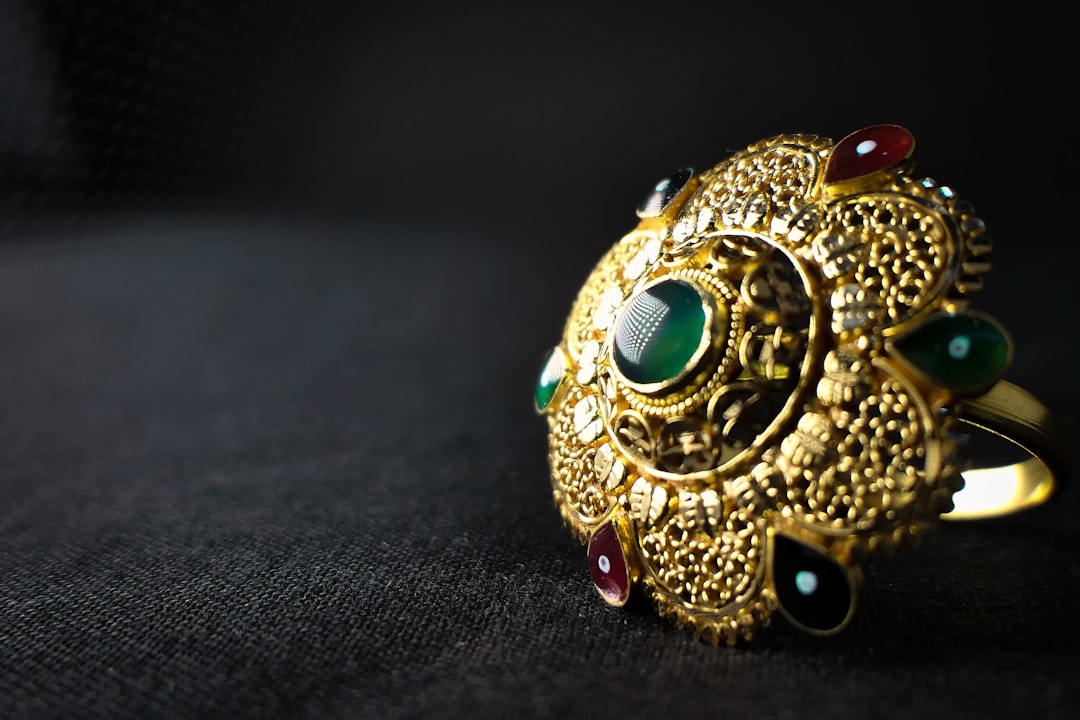
Shining in Style: The Allure of Gold Rings
Gold rings have a rich and storied history that dates back thousands of years. The earliest known gold rings were discovered in ancient Egypt, where pharaohs and nobility wore them as symbols of power and wealth. These rings served as indicators of social status. Throughout history, gold rings have appeared in various cultures worldwide,…
-
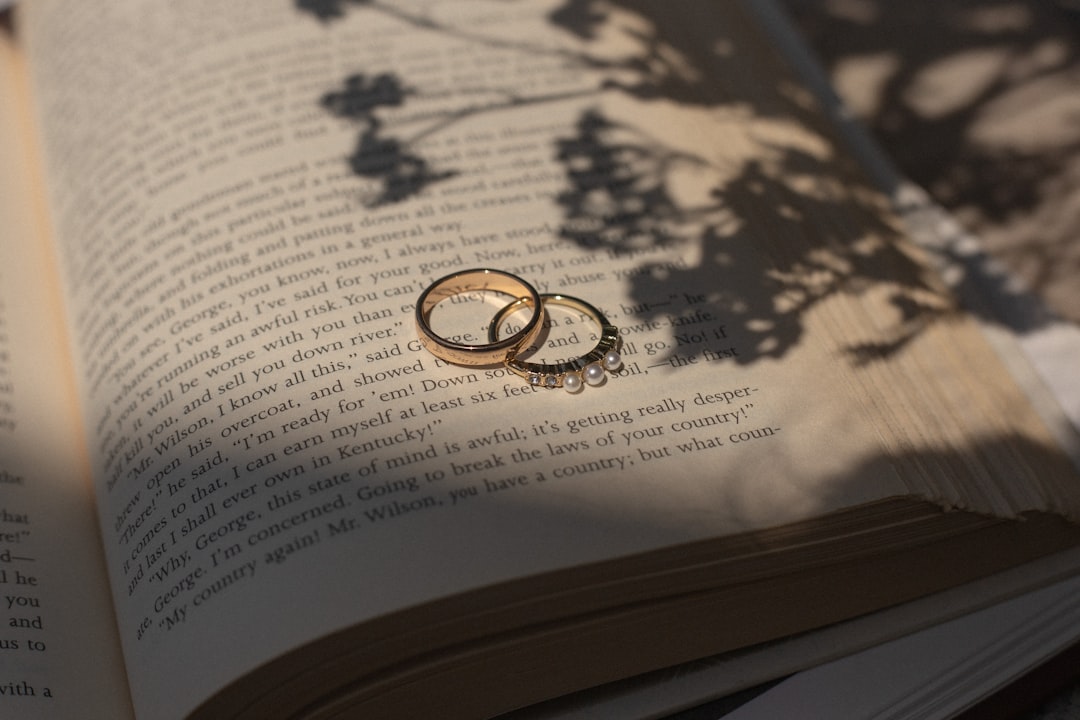
Shine with Stunning Gold Jewelry
Gold jewelry has a rich and storied history dating back thousands of years. The earliest known gold artifacts were discovered in the Varna Necropolis in Bulgaria, dating to approximately 4,500 BCE. This archaeological find demonstrates that ancient civilizations valued gold not only for its aesthetic appeal but also for its scarcity and resilience. Throughout…
-
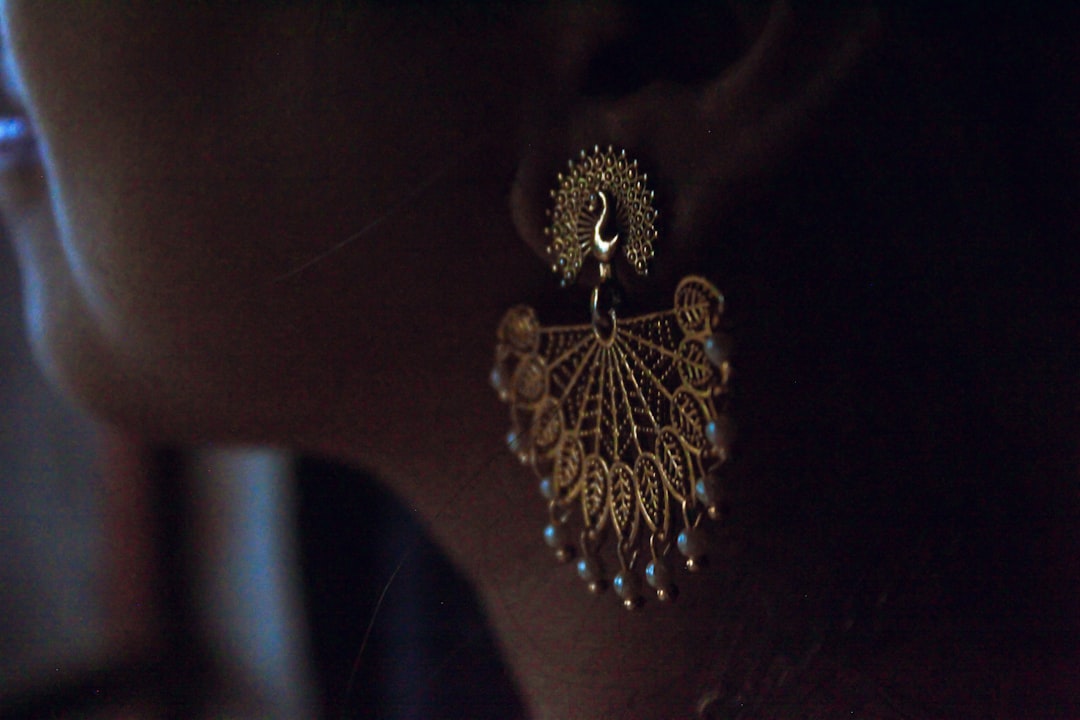
Shine On: The Allure of Gold Plated Jewelry
Gold plated jewelry has origins spanning several millennia. The technique involves applying a thin layer of gold over base metals and was developed by ancient civilizations to produce decorative items that combined aesthetic appeal with affordability. Archaeological evidence shows that ancient Egyptian artisans employed gold leafing and early plating methods to create jewelry accessible…