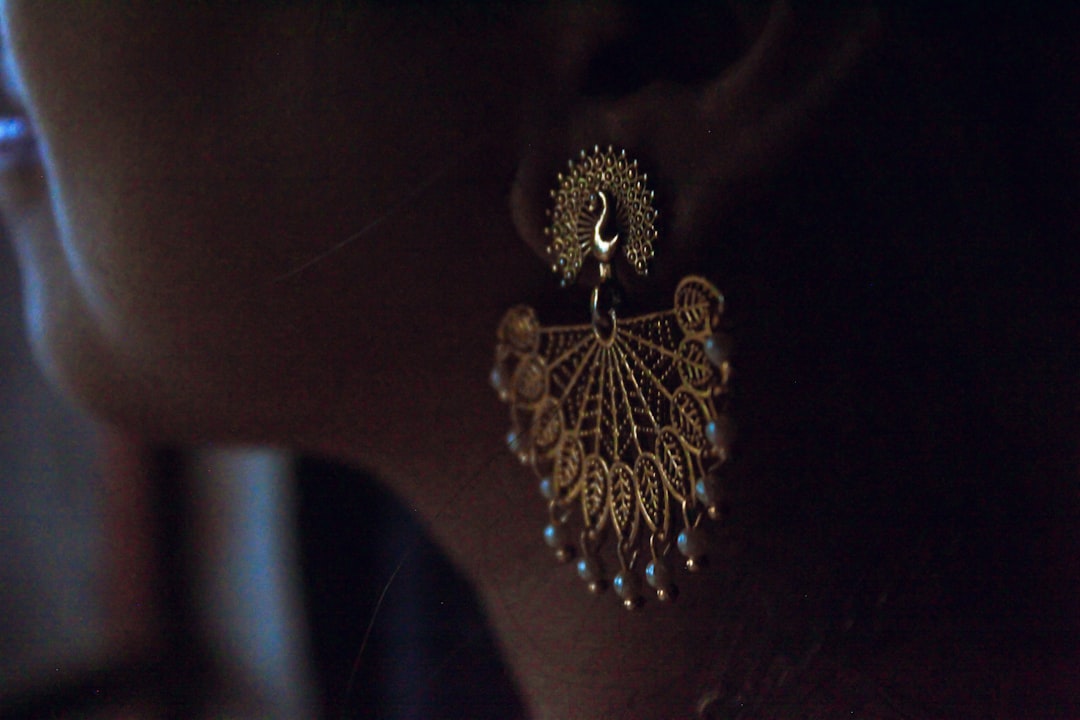
Gold plated jewelry has origins spanning several millennia. The technique involves applying a thin layer of gold over base metals and was developed by ancient civilizations to produce decorative items that combined aesthetic appeal with affordability. Archaeological evidence shows that ancient Egyptian artisans employed gold leafing and early plating methods to create jewelry accessible to various social classes, while gold itself held religious and cultural significance in their society.
The gold plating process underwent significant development during the Renaissance period, when advances in metallurgical knowledge and chemical understanding enabled more refined application techniques. This technological progress coincided with increased demand for gold plated jewelry among European nobility and wealthy merchants. The Victorian era marked another significant period for gold plated jewelry, characterized by complex decorative patterns and detailed metalwork.
During this time, manufacturing techniques became more standardized, allowing for broader production and distribution. In contemporary markets, gold plated jewelry serves as an alternative to solid gold pieces, offering similar visual characteristics at a lower cost. Modern electroplating methods allow for precise control over gold layer thickness and durability, making gold plated items widely available across different price ranges and design categories.
Key Takeaways
- Gold plated jewelry has a rich history dating back centuries, combining affordability with the look of solid gold.
- The gold plating process involves electroplating a thin layer of gold onto a base metal to create a durable, attractive finish.
- Benefits include cost-effectiveness, versatility in design, and the ability to enjoy gold aesthetics without the high price.
- Proper care, such as avoiding moisture and harsh chemicals, helps maintain the shine and longevity of gold plated pieces.
- Understanding trends, environmental impacts, and differences from solid gold aids consumers in making informed purchasing and styling choices.
The Process of Gold Plating
The process of gold plating involves several steps that transform a base metal into a shimmering piece of jewelry. Initially, the item is cleaned thoroughly to remove any dirt, grease, or oxidation that could interfere with the adhesion of the gold layer. This cleaning process is crucial, as it ensures that the gold will bond effectively to the underlying metal.
Once cleaned, the piece is often treated with a conductive solution to enhance the plating process. Next comes the actual plating, which can be achieved through various methods, including electroplating and chemical plating. Electroplating is the most common technique, where an electric current is passed through a solution containing gold ions.
This current causes the gold to deposit onto the surface of the base metal, creating a thin layer that can range from a few microns to several microns in thickness. The thickness of this layer is significant because it determines how long the piece will retain its luster and resist wear. After plating, the jewelry is typically polished and inspected to ensure quality before it reaches consumers.
The Benefits of Gold Plated Jewelry
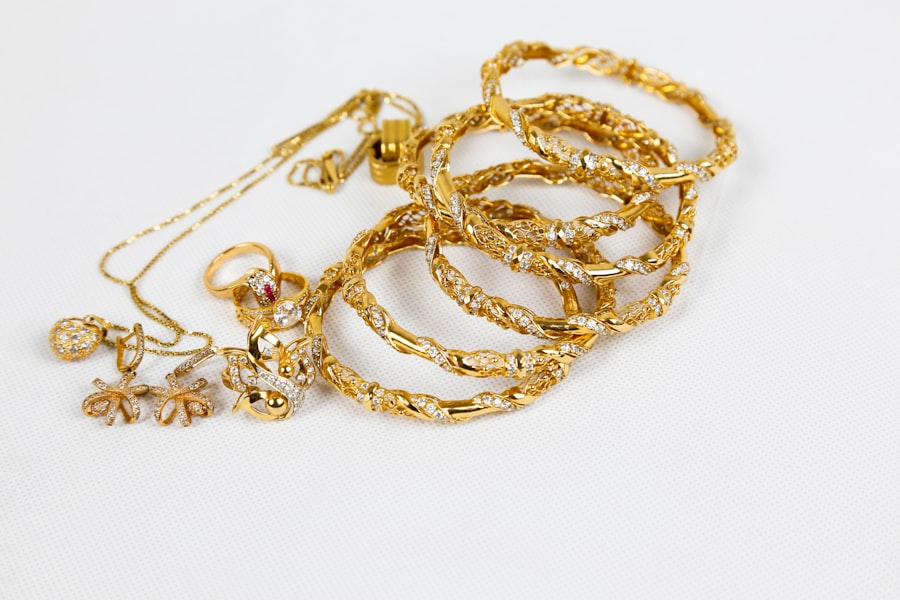
One of the most appealing aspects of gold plated jewelry is its affordability. Compared to solid gold pieces, gold plated items offer a similar aesthetic at a fraction of the cost. This affordability allows you to experiment with different styles and trends without breaking the bank.
Whether you’re looking for a statement piece or something more subtle, gold plated jewelry provides a versatile option that can suit any occasion. In addition to being budget-friendly, gold plated jewelry also offers a wide range of designs and styles. With advancements in technology and craftsmanship, you can find intricate designs that mimic high-end pieces without the hefty price tag.
This variety means you can easily find something that resonates with your personal style, whether you prefer classic elegance or modern flair. Furthermore, because gold plated jewelry is lightweight and comfortable to wear, it’s an excellent choice for everyday use or special occasions alike.
How to Care for Gold Plated Jewelry
Caring for your gold plated jewelry is essential if you want to maintain its beauty and longevity. One of the simplest yet most effective ways to care for your pieces is to keep them away from harsh chemicals and abrasive materials. This means avoiding exposure to perfumes, lotions, and cleaning products that can tarnish or damage the gold layer.
When applying these products, it’s wise to put on your jewelry last to minimize contact. Cleaning your gold plated items regularly can also help preserve their shine. A gentle approach is best; use a soft cloth or a microfiber cloth to wipe down your jewelry after each wear.
If your pieces require more thorough cleaning, consider using lukewarm water mixed with mild soap. Avoid using any abrasive cleaners or scrubbing pads, as these can scratch the surface and diminish the gold layer over time. By taking these simple steps, you can ensure that your gold plated jewelry remains as stunning as the day you bought it.
Trends in Gold Plated Jewelry
| Metric | Value | Unit | Notes |
|---|---|---|---|
| Gold Layer Thickness | 0.5 – 2.5 | Microns | Typical thickness range for gold plating |
| Base Metal | Brass, Copper, Silver | Types | Common metals used under gold plating |
| Gold Purity | 14K – 24K | Karats | Purity of gold used in plating |
| Durability | 6 – 12 | Months | Average wear time before replating needed |
| Typical Weight | 5 – 50 | Grams | Weight range for common jewelry pieces |
| Price Range | 20 – 200 | Units | Cost range for gold plated jewelry items |
| Hypoallergenic | Varies | Yes/No | Depends on base metal and plating quality |
The world of fashion is ever-evolving, and gold plated jewelry is no exception. Currently, layering is one of the hottest trends in jewelry styling. You might find yourself drawn to stacking rings or layering necklaces of varying lengths and styles to create a unique look that reflects your personality.
This trend allows you to mix and match different textures and designs while maintaining an elegant aesthetic. Another trend gaining traction is personalized jewelry. Many people are opting for custom pieces that feature initials, names, or meaningful symbols crafted in gold plating.
This trend not only adds a personal touch but also makes for thoughtful gifts that carry sentimental value. As you explore these trends, remember that gold plated jewelry offers an accessible way to stay fashionable without compromising on style or budget.
The Difference Between Gold Plated and Solid Gold Jewelry
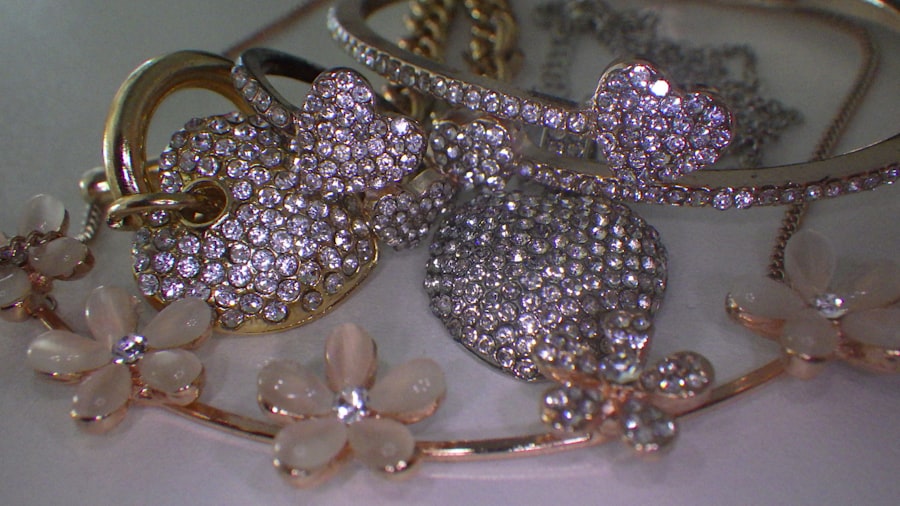
Understanding the distinction between gold plated and solid gold jewelry is crucial when making purchasing decisions. Solid gold jewelry is made entirely from gold alloy, which means it contains a specific percentage of pure gold mixed with other metals for durability. This type of jewelry is known for its longevity and resistance to tarnishing; however, it comes with a higher price tag due to the value of the materials used.
On the other hand, gold plated jewelry consists of a base metal coated with a thin layer of gold. While it offers a similar appearance to solid gold at a more affordable price point, it may not have the same durability or longevity. Over time, with regular wear and exposure to elements, the gold layer can wear off, revealing the base metal underneath.
Understanding these differences will help you make informed choices based on your budget and how often you plan to wear your pieces.
The Environmental Impact of Gold Plated Jewelry
The environmental impact of jewelry production is an important consideration in today’s eco-conscious world. While gold plated jewelry may seem like a more sustainable option compared to solid gold due to its lower material usage, it’s essential to consider the entire lifecycle of production. Mining for gold can have devastating effects on ecosystems, leading to habitat destruction and pollution.
However, because gold plated items use significantly less gold than solid pieces, they can be seen as a more environmentally friendly choice. Moreover, many manufacturers are now adopting sustainable practices in their production processes. This includes sourcing recycled metals and using eco-friendly methods for plating and finishing their products.
By choosing brands that prioritize sustainability, you can enjoy your beautiful gold plated jewelry while also supporting environmentally responsible practices.
Tips for Buying and Wearing Gold Plated Jewelry
When it comes to buying gold plated jewelry, there are several tips you should keep in mind to ensure you make a wise investment. First and foremost, always check for quality indicators such as the thickness of the gold layer and any certifications from reputable manufacturers. A thicker layer will generally last longer and resist wear better than those with minimal plating.
Additionally, consider your lifestyle when selecting pieces. If you lead an active life or work in environments where your jewelry may be exposed to harsh conditions, opt for simpler designs that are less likely to get damaged or scratched. Lastly, don’t hesitate to explore different styles and trends; experimenting with various pieces can help you discover what truly resonates with your personal aesthetic.
Wearing your gold plated jewelry can be just as important as how you choose it. Layering pieces can create a stunning visual effect but be mindful not to overcrowd your look; balance is key. Also, remember that less is often more; sometimes a single statement piece can make just as much impact as multiple items stacked together.
By following these tips, you can enjoy your gold plated jewelry while ensuring it remains a cherished part of your collection for years to come.
Leave a Reply