
Gold has captivated humanity for millennia, serving as a symbol of wealth, power, and beauty. The history of gold bars can be traced back to ancient civilizations, where gold was first used in the form of coins and jewelry. The Egyptians, for instance, were among the first to mine and refine gold, creating intricate artifacts that showcased their craftsmanship.
As trade expanded, the need for a standardized form of currency became apparent, leading to the creation of gold bars as a means of facilitating commerce. These early bars were often irregularly shaped and varied in weight, making transactions cumbersome. As societies evolved, so did the production and use of gold bars.
By the Middle Ages, goldsmiths began to refine the process of creating bars, leading to more uniform sizes and weights. This standardization made it easier for merchants and traders to conduct business. The establishment of banks further solidified the role of gold bars in the economy, as they began to store gold for clients and issue receipts that could be used as currency.
Over time, gold bars became a cornerstone of wealth preservation and investment, paving the way for their modern-day significance in financial markets.
Key Takeaways
- Gold bars have a rich history as a trusted form of wealth storage and trade.
- Various types of gold bars exist, differing in size, purity, and origin.
- Investing in gold bars requires understanding market conditions and purchasing from reputable sources.
- Proper storage and security measures are essential to protect gold bar investments.
- Gold bars offer benefits like portfolio diversification, inflation protection, and liquidity.
The Different Types of Gold Bars
When it comes to gold bars, you will find a variety of types that cater to different needs and preferences. The most common type is the cast gold bar, which is created by pouring molten gold into a mold. This method allows for larger bars, typically weighing between 1 kilogram and 400 ounces.
Cast bars are often favored by investors due to their lower production costs and the fact that they are easily recognizable by their unique markings. Another popular type is the minted gold bar, which is produced by stamping gold into a specific shape and size. Minted bars are usually more polished and have a higher aesthetic appeal than cast bars.
They often come in smaller weights, such as 1 ounce or 10 grams, making them accessible for individual investors. Additionally, some minted bars feature intricate designs or branding from reputable mints, which can enhance their value among collectors. Understanding these differences can help you make informed decisions when considering your investment options. Buy gold now! to secure your investment for the future.
How to Invest in Gold Bars
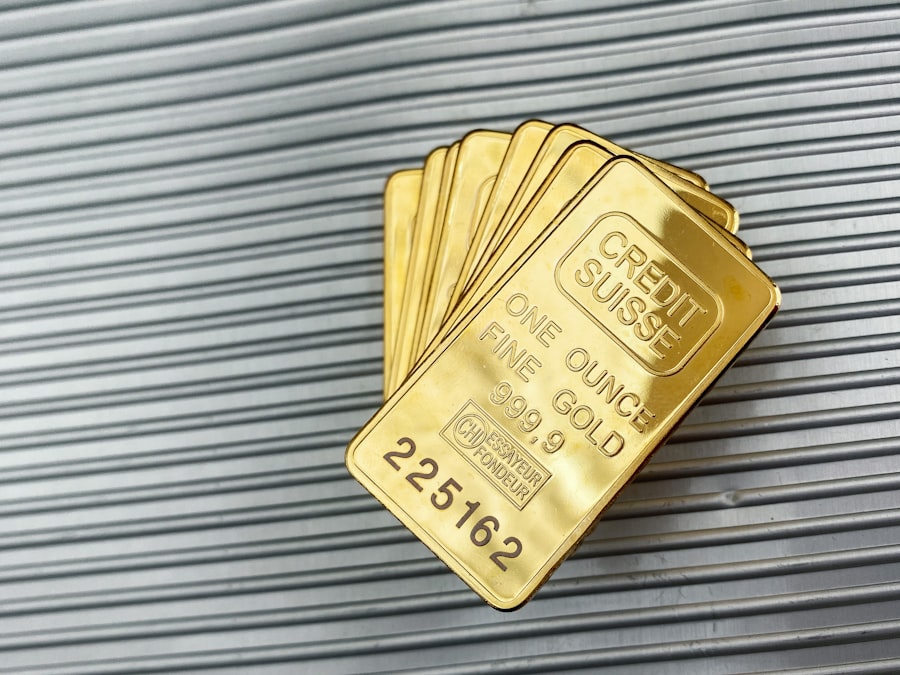
Investing in gold bars can be a rewarding venture if approached with careful consideration. To begin, you should educate yourself about the current market trends and prices of gold. Monitoring these fluctuations will help you determine the best time to buy.
You can purchase gold bars from various sources, including reputable dealers, online platforms, or even auctions. It’s crucial to choose a trustworthy seller who provides authentication certificates to ensure the quality and purity of the gold you are acquiring. Once you have acquired your gold bars, consider how they fit into your overall investment strategy.
Gold is often viewed as a hedge against inflation and economic uncertainty, making it an attractive option for diversifying your portfolio. You may want to allocate a specific percentage of your investments to gold bars based on your risk tolerance and financial goals. Additionally, keep in mind that while gold can provide stability, it is essential to remain informed about market conditions and adjust your strategy accordingly.
Storing and Securing Your Gold Bars
Proper storage and security are paramount when it comes to owning gold bars. You have several options for safeguarding your investment, each with its own advantages and disadvantages. One common choice is to store your gold at home in a safe or secure location.
If you opt for this route, ensure that your safe is fireproof and waterproof to protect against potential disasters. Additionally, consider installing a security system or surveillance cameras to deter theft. Alternatively, you might choose to store your gold bars in a bank safety deposit box or with a specialized storage facility.
These options provide an added layer of security and peace of mind, as they are designed specifically for safeguarding valuable assets. However, keep in mind that these services often come with fees that can add up over time. Whichever method you choose, it’s essential to maintain an inventory of your gold bars and their respective values for insurance purposes.
The Benefits of Owning Gold Bars
| Metric | Value | Unit |
|---|---|---|
| Standard Weight | 400 | troy ounces |
| Purity | 99.99 | percent |
| Dimensions (approx.) | 7 x 3.625 x 1.75 | inches |
| Weight in grams | 12,441 | grams |
| Density | 19.32 | g/cm³ |
| Typical Market Use | Investment and Reserves | – |
Owning gold bars comes with numerous benefits that make them an attractive investment option. One of the primary advantages is their intrinsic value; unlike paper currency or stocks, gold has been recognized as a valuable asset for centuries. This enduring worth provides a sense of security during economic downturns or periods of inflation.
When other investments may falter, gold often retains its value or even appreciates, making it a reliable store of wealth. Additionally, gold bars offer liquidity; they can be easily bought or sold in various markets around the world. This flexibility allows you to access cash quickly if needed.
Furthermore, owning physical gold can provide a sense of independence from traditional banking systems and financial institutions. In an increasingly digital world, having tangible assets like gold can serve as a safeguard against potential economic instability or currency devaluation.
Selling and Liquidating Your Gold Bars

When it comes time to sell or liquidate your gold bars, understanding the process can help you maximize your returns. The first step is to assess the current market value of gold; prices fluctuate based on supply and demand dynamics. You can check reputable financial news sources or consult with dealers to get an accurate estimate of your gold’s worth.
Once you have this information, you can decide whether to sell immediately or wait for potentially higher prices. There are several avenues available for selling your gold bars. You can approach local dealers who specialize in precious metals or utilize online platforms that facilitate transactions between buyers and sellers.
Each option has its pros and cons; local dealers may offer immediate cash but could provide lower prices than online marketplaces where competition drives prices up. Regardless of your choice, ensure that you receive proper documentation for the sale to maintain records for tax purposes.
Gold Bar Collecting and Numismatics
Gold bar collecting has become an increasingly popular hobby among enthusiasts and investors alike. While many people view gold primarily as an investment vehicle, collectors appreciate the artistry and history behind each bar. Numismatics—the study or collection of currency—extends beyond coins to include gold bars as well.
Collectors often seek out limited-edition minted bars or those with unique designs that tell a story about their origin. As you delve into the world of collecting gold bars, you may find yourself drawn to specific themes or historical periods that resonate with you.
Engaging with fellow collectors through forums or local clubs can enhance your experience and provide valuable insights into market trends and opportunities.
The Future of Gold Bars in the Global Economy
Looking ahead, the future of gold bars in the global economy remains promising despite evolving financial landscapes. As central banks around the world continue to accumulate gold reserves as a hedge against economic uncertainty, demand for physical gold is likely to persist. Additionally, geopolitical tensions and inflationary pressures may drive investors toward tangible assets like gold bars as a means of preserving wealth.
Moreover, advancements in technology could further influence how individuals invest in and trade gold bars. Digital platforms may streamline transactions and enhance transparency in pricing, making it easier for new investors to enter the market. As awareness grows about the benefits of owning physical assets amidst digital currencies’ rise, gold bars may solidify their position as a cornerstone of wealth preservation for generations to come.
In conclusion, understanding the history, types, investment strategies, storage options, benefits, selling processes, collecting aspects, and future outlook of gold bars equips you with valuable knowledge for navigating this timeless asset class. Whether you are considering investing in gold bars for financial security or exploring them as collectibles, being informed will empower you to make sound decisions that align with your goals.
Leave a Reply