-
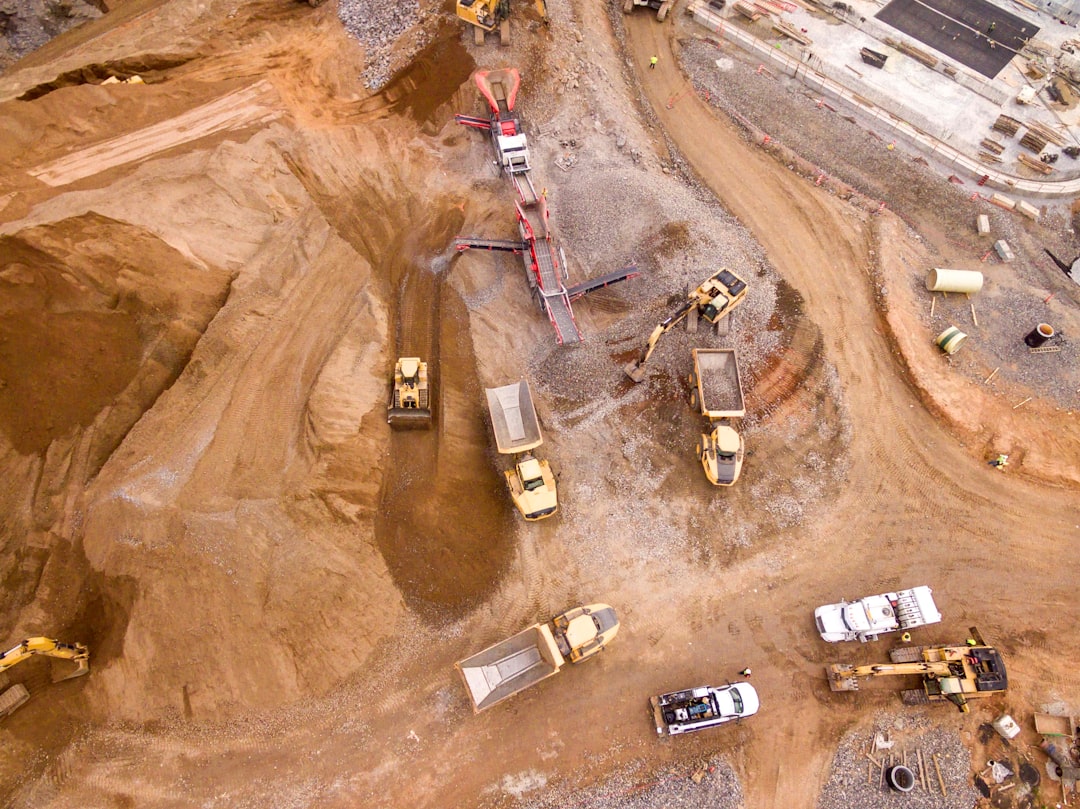
Gold Mining at the Turn of the 20th Century
The California Gold Rush began on January 24, 1848, when James W. Marshall discovered gold at Sutter’s Mill in Coloma, California. This discovery triggered one of the largest migrations in American history, with approximately 300,000 people traveling to California between 1848 and 1855. The migrants, commonly called “forty-niners” after the peak year of 1849,…
-

The History of Gold
Gold has been valued by human civilizations for thousands of years due to its distinctive physical and chemical properties. The metal’s malleability, corrosion resistance, and reflective appearance made it suitable for crafting decorative and ceremonial objects. Archaeological evidence from ancient Mesopotamia shows that gold was used to create jewelry and ritual items, indicating its…
-
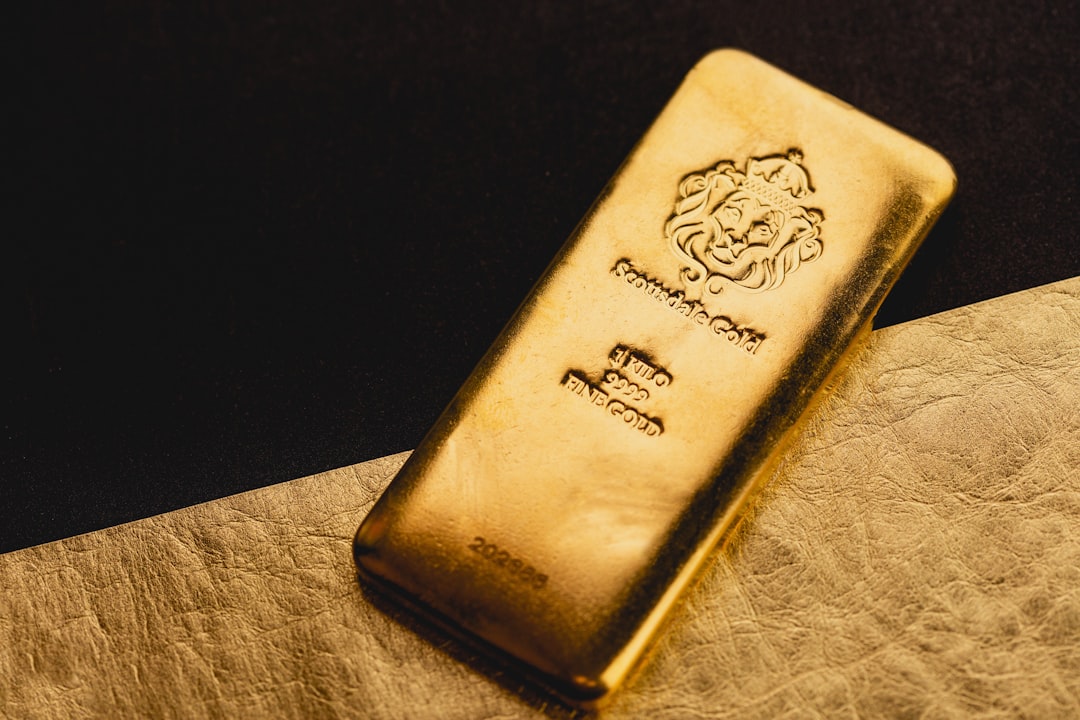
Maximize Your Investment with a 1oz Gold Bar
When considering precious metals investments, gold remains a classic option. The 1oz gold bar is a popular investment vehicle, representing a tangible asset valued throughout history. Gold’s investment appeal stems from its scarcity, longevity, and universal recognition as wealth. Understanding the fundamental value of 1oz gold bars enables more strategic investment decisions. A 1oz…
-
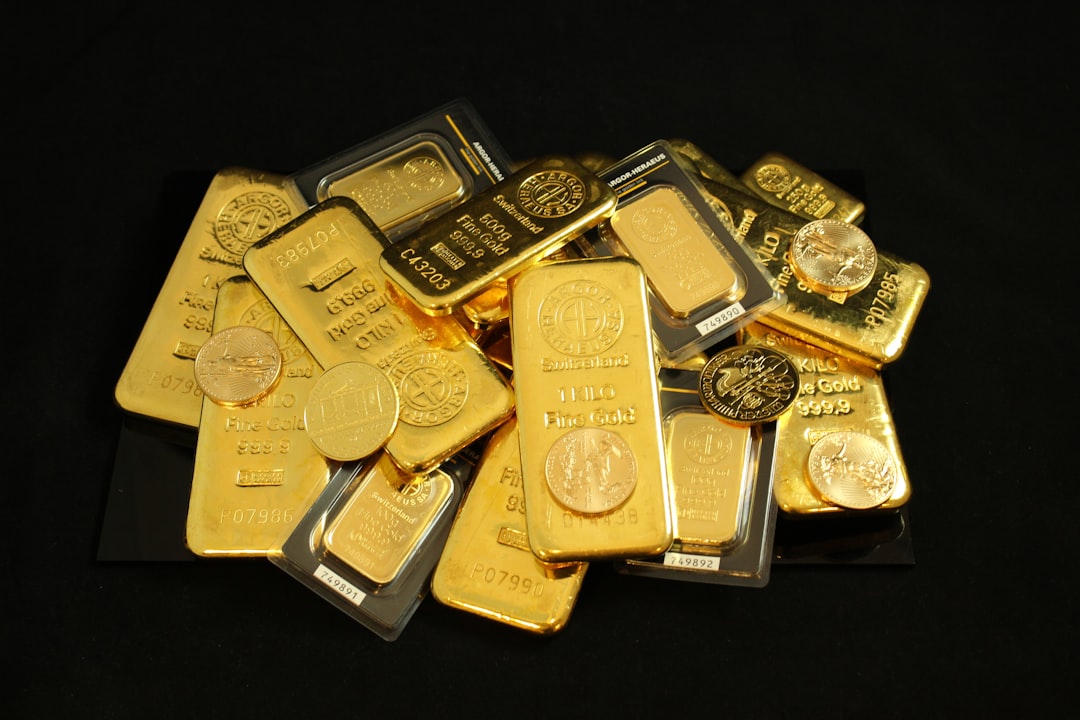
Unlocking the Value of Gold Bars
Gold has captivated humanity for millennia, serving as a symbol of wealth, power, and beauty. The history of gold bars can be traced back to ancient civilizations, where gold was first used in the form of coins and jewelry. The Egyptians, for instance, were among the first to mine and refine gold, creating intricate…
-

Uncovering the Allure of Real Gold
Gold has captivated human civilization for millennia, serving as a symbol of wealth, power, and beauty. Its history can be traced back to ancient cultures, where it was first used in jewelry and ornamentation. The earliest known gold artifacts date back to around 4000 BCE in the region of modern-day Bulgaria, where gold was…