The California Gold Rush began on January 24, 1848, when James W. Marshall discovered gold at Sutter’s Mill in Coloma, California. This discovery triggered one of the largest migrations in American history, with approximately 300,000 people traveling to California between 1848 and 1855.
The migrants, commonly called “forty-niners” after the peak year of 1849, came from across the United States and internationally, including China, Chile, Mexico, and Europe. The population surge transformed California’s demographics and geography. San Francisco’s population grew from approximately 1,000 residents in 1848 to over 25,000 by 1850.
Mining camps and settlements emerged throughout the Sierra Nevada foothills, with some towns reaching populations of several thousand within months. California’s non-Native American population increased from roughly 14,000 in 1848 to over 250,000 by 1852. The Gold Rush accelerated California’s economic development and infrastructure expansion.
The demand for supplies and transportation led to the construction of roads, the expansion of shipping routes, and eventually railroad development. The Transcontinental Railroad, completed in 1869, had its origins partly in the need to connect California’s growing population with the eastern United States. Telegraph lines were established to improve communication, and banking systems developed to handle gold transactions and financing.
The rapid population growth created significant social and legal challenges. The absence of established law enforcement led to vigilante justice and mining camp courts. Competition for mining claims resulted in disputes and violence.
The influx of miners also had devastating effects on Native American populations through disease, displacement, and conflict. Environmental consequences included hydraulic mining, which caused extensive damage to rivers and landscapes throughout the Sierra Nevada region.
Key Takeaways
- The 19th-century gold rush spurred massive migration and economic growth.
- Gold mining significantly impacted the environment, leading to lasting ecological damage.
- Technological innovations transformed mining efficiency and methods over time.
- Immigrants played a crucial role in the labor force and cultural diversity of mining communities.
- Government regulations evolved to address labor conditions and environmental concerns in mining.
The Impact of Gold Mining on the Environment
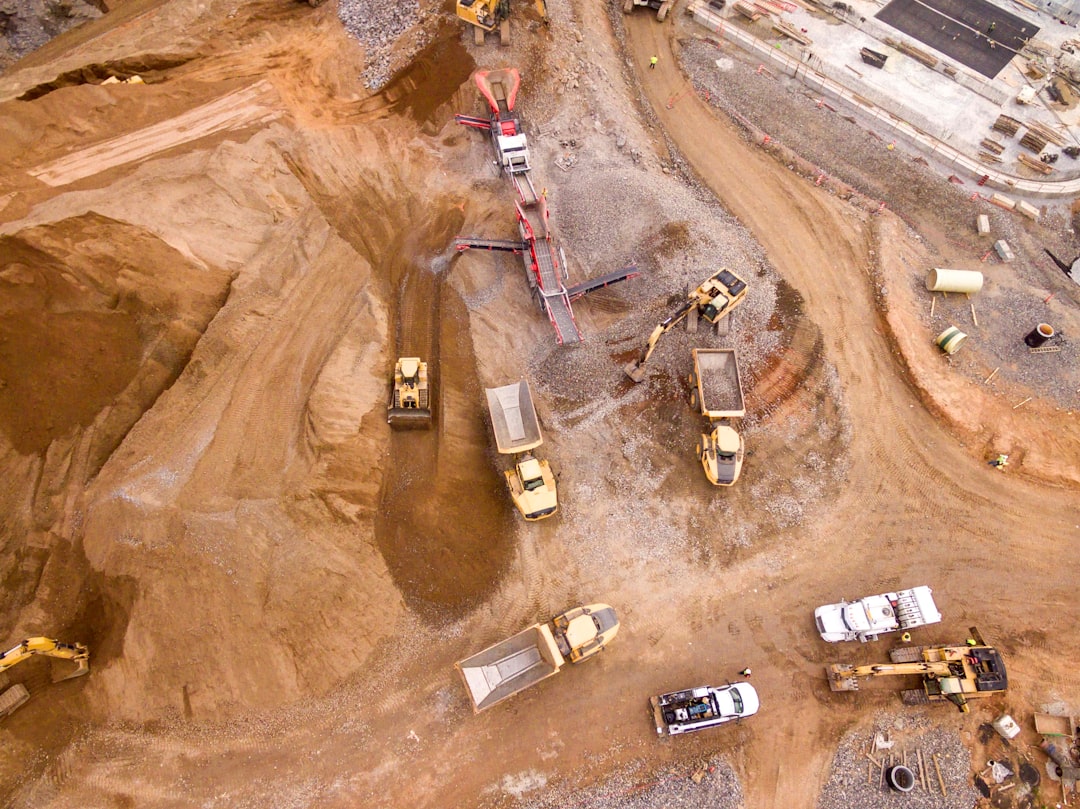
The environmental consequences of gold mining during the 19th century were profound and often devastating. The methods employed by miners, particularly during the Gold Rush, led to significant alterations in the landscape. Hydraulic mining, which involved blasting away hillsides with high-pressure water jets to expose gold deposits, resulted in extensive erosion and sedimentation in rivers.
This practice not only destroyed habitats but also polluted waterways, affecting both aquatic life and communities that relied on these water sources for drinking and agriculture. Moreover, the sheer scale of mining operations contributed to deforestation and loss of biodiversity. As miners cleared vast tracts of land to access gold, ecosystems were disrupted, leading to long-term ecological consequences.
The introduction of toxic chemicals, such as mercury used in gold extraction processes, further exacerbated environmental degradation. These practices laid the groundwork for ongoing debates about sustainable mining and environmental stewardship that continue to resonate today.
Technological Advancements in Gold Mining
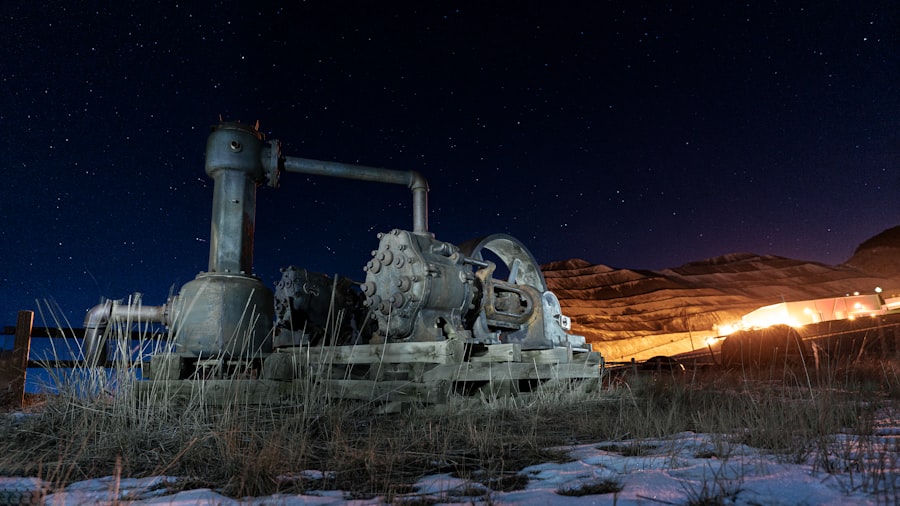
The 19th century witnessed significant technological advancements that transformed gold mining practices. Early miners relied on simple tools like pans and picks, but as demand for gold surged, innovations emerged to increase efficiency and output.
This shift not only enhanced productivity but also attracted larger investments into the industry. Additionally, advancements in chemical processes for extracting gold from ore marked a turning point in mining technology. The cyanide process, developed in the late 19th century, enabled miners to recover gold from lower-grade ores that were previously deemed unprofitable.
This innovation expanded the scope of gold mining and contributed to the establishment of large-scale mining companies that could operate more efficiently than individual prospectors. As technology continued to evolve, it paved the way for modern mining practices that would dominate the industry well into the future.
The Social and Cultural Impact of Gold Mining
The social fabric of communities affected by gold mining underwent significant transformation during the 19th century. The influx of diverse populations seeking fortune led to a melting pot of cultures in mining towns. People from various ethnic backgrounds—Europeans, Asians, Latin Americans—converged in search of opportunity, creating a unique cultural tapestry that influenced everything from cuisine to music.
This blending of cultures fostered a sense of camaraderie among miners but also led to tensions and conflicts over resources and rights. Moreover, the Gold Rush catalyzed changes in gender roles and family dynamics. Many men left their families behind to pursue wealth in the mines, leading to shifts in traditional family structures.
Women who accompanied their husbands or migrated independently found new opportunities in these burgeoning communities, often taking on roles as business owners or community leaders. This period marked a significant moment in the evolution of gender roles in America, as women began to assert their presence in public life and contribute to economic development.
The Role of Immigrants in Gold Mining
| Year | Gold Production (tons) | Major Mining Regions | Average Gold Price (per ounce) | Mining Technology | Labor Force (thousands) |
|---|---|---|---|---|---|
| 1890 | 50 | California, South Africa, Australia | 20.67 | Stamp mills, Placer mining | 150 |
| 1900 | 75 | South Africa, Alaska, Western US | 20.67 | Stamp mills, Hydraulic mining | 200 |
| 1910 | 120 | South Africa, Canada, Australia | 20.67 | Stamp mills, Cyanide process | 250 |
| 1920 | 140 | South Africa, USA, Australia | 20.67 | Cyanide process, Mechanized drilling | 300 |
Immigrants played a crucial role in shaping the gold mining industry during the 19th century. As news of gold discoveries spread across continents, individuals from various countries embarked on perilous journeys to seek their fortunes in America. Chinese immigrants, in particular, became a significant presence in California’s mining camps.
They faced immense challenges, including discrimination and exclusionary laws, yet their contributions were vital to the success of many mining operations. The labor provided by immigrants was essential not only for mining but also for supporting infrastructure development in burgeoning towns. They worked tirelessly under harsh conditions, often for meager wages, yet their resilience and determination helped sustain local economies.
The legacy of immigrant labor in gold mining is a testament to their enduring spirit and highlights the complex interplay between opportunity and adversity that characterized this era.
The Rise of Corporate Mining Companies

As gold mining evolved from individual prospecting to large-scale operations, corporate mining companies began to dominate the industry.
By pooling resources and expertise, these companies could operate more efficiently than individual miners or small partnerships, leading to increased production levels.
The rise of corporate mining also brought about significant changes in labor dynamics. Workers found themselves employed by large entities rather than working independently as prospectors. This shift often resulted in more stable employment but also introduced challenges related to labor rights and working conditions.
Corporations prioritized profit margins over worker welfare, leading to tensions between management and laborers that would eventually culminate in strikes and demands for better conditions.
Government Regulation and Oversight of Gold Mining
As gold mining expanded rapidly throughout the 19th century, government regulation became increasingly necessary to address various issues arising from this booming industry. Initially characterized by a lack of oversight, mining operations often led to conflicts over land rights and environmental degradation. In response to these challenges, state and federal governments began implementing regulations aimed at managing resources more effectively.
Legislation such as the Mining Act of 1872 established guidelines for mineral exploration and extraction on public lands. While this act aimed to promote responsible mining practices, it also reflected the government’s prioritization of resource extraction over environmental protection. Over time, calls for stricter regulations grew louder as communities grappled with the consequences of unchecked mining activities.
This evolving relationship between government oversight and mining practices laid the groundwork for contemporary regulatory frameworks that seek to balance economic interests with environmental stewardship.
Labor Conditions in Gold Mines
Labor conditions in gold mines during the 19th century were often harsh and perilous. Miners faced grueling work hours in dangerous environments with little regard for their safety or well-being. The physical demands of mining took a toll on workers’ health, leading to injuries and illnesses that were frequently exacerbated by inadequate medical care.
Additionally, many miners labored under exploitative wage structures that left them struggling to make ends meet despite their hard work. The lack of labor protections prompted miners to organize and advocate for better conditions. Strikes became common as workers sought fair wages, reasonable hours, and safer working environments.
These labor movements laid the foundation for future labor rights advancements across various industries. The struggles faced by miners during this period highlighted broader issues related to workers’ rights that would resonate throughout American history.
The Economic Impact of Gold Mining
The economic impact of gold mining during the 19th century was profound and multifaceted. The influx of wealth generated by gold discoveries fueled local economies and contributed significantly to national growth. Towns that sprang up around mining operations experienced booms in commerce as businesses catered to miners’ needs for supplies, food, and entertainment.
This economic activity stimulated job creation beyond mining itself, fostering a diverse range of industries. However, while some individuals amassed fortunes through gold mining, many others faced economic hardships due to fluctuating gold prices and market instability. The boom-and-bust cycles associated with gold mining created volatility that affected entire communities.
As mines played out or became less profitable, towns often experienced rapid declines, leaving behind ghost towns as reminders of past prosperity. This duality underscores the complex relationship between resource extraction and economic sustainability.
The Decline of Gold Mining in the Early 20th Century
By the early 20th century, gold mining began to decline as easily accessible deposits were depleted and competition intensified. The initial excitement surrounding gold rushes gave way to a more mature industry grappling with challenges such as rising operational costs and diminishing returns on investment. Many smaller mines closed down or consolidated into larger operations as companies sought economies of scale to remain viable.
Additionally, shifts in public interest toward other industries—such as oil and manufacturing—further contributed to the decline of gold mining’s prominence in the American economy. As new technologies emerged and alternative sources of wealth became available, gold lost some of its luster as a primary driver of economic growth. This transition marked a significant turning point for communities once reliant on gold mining as they sought new avenues for development.
The Legacy of Gold Mining
The legacy of gold mining is complex and multifaceted, leaving an indelible mark on American history and culture. While it symbolized opportunity and adventure for many individuals seeking fortune, it also brought about significant social upheaval and environmental degradation. The stories of those who participated in the Gold Rush—both triumphs and tragedies—continue to resonate today as part of America’s narrative.
Moreover, the lessons learned from this era have shaped contemporary discussions around resource extraction and environmental responsibility. As society grapples with issues related to sustainability and corporate accountability, the history of gold mining serves as a reminder of both human ambition and its consequences. Ultimately, the legacy of gold mining is one that reflects not only the pursuit of wealth but also the enduring complexities inherent in humanity’s relationship with nature and each other.
Leave a Reply