Metal panning has ancient origins that predate the well-known gold rushes of the 19th century. Historical evidence indicates that early civilizations across multiple continents developed techniques for separating precious metals from sediment using water and gravity. Ancient Egyptians employed panning methods along the Nile River to recover gold, while similar techniques were independently developed by indigenous peoples in South America for extracting valuable metals from riverbeds.
The practice gained widespread prominence during the 19th-century gold rushes in the United States, particularly in California (1848-1855) and Alaska (1896-1899). These events drew thousands of prospectors who used simple panning techniques as their primary method of gold recovery. The basic technology—a shallow pan used to separate heavier gold particles from lighter sediment—remained largely unchanged from ancient times, though innovations in design gradually improved efficiency.
Metal panning has historical significance beyond resource extraction, as these gold rushes substantially influenced settlement patterns, economic development, and cultural identity in numerous regions. The practice continues today both as a recreational activity and, in some areas, as a subsistence method of mineral collection, representing the ongoing human interest in mineral prospecting and recovery.
Key Takeaways
- Metal panning has a rich history rooted in traditional gold prospecting methods.
- Successful metal panning relies on specific tools and refined techniques.
- Identifying promising sites involves understanding geological and environmental clues.
- Environmental regulations are crucial to ensure responsible and sustainable panning practices.
- Engaging with the metal panning community enhances knowledge sharing and the overall experience.
Tools and Techniques for Metal Panning
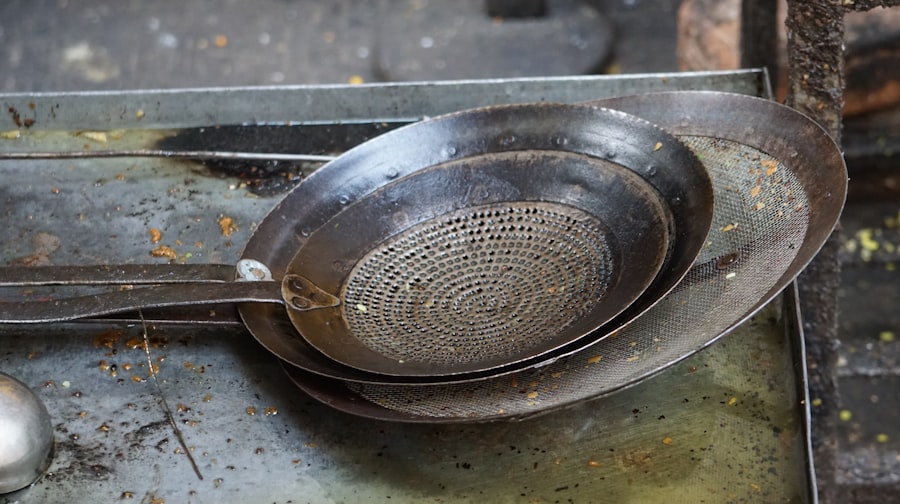
When you embark on your metal panning journey, having the right tools at your disposal is essential. The most fundamental tool is, of course, the pan itself. Typically made from lightweight materials like plastic or metal, a good panning dish features a wide, shallow bowl with sloped sides.
This design allows you to easily swirl water and sediment, separating heavier materials from lighter ones. You may also want to invest in a classifier, which helps sift out larger rocks and debris before you begin panning. This simple addition can significantly enhance your efficiency and increase your chances of finding valuable metals.
In addition to your pan, consider bringing along a few other handy tools. A small shovel or trowel will help you gather sediment from riverbanks or stream beds, while a snuffer bottle can be invaluable for collecting fine gold particles that may escape your pan. As you refine your technique, you will learn to master the art of swirling and shaking your pan to separate materials effectively.
The key is to maintain a gentle motion that allows water to carry away lighter sediments while retaining heavier metals at the bottom. With practice, you will develop a rhythm that feels natural and increases your success rate.
Identifying Potential Panning Sites
Finding the right location for metal panning can make all the difference in your experience. As you explore potential sites, look for areas where water flows swiftly over rocky beds or where sediment accumulates in natural depressions. Rivers and streams that have a history of gold production are often prime candidates for panning.
You might want to research local geological maps or consult with experienced panners to identify regions known for their mineral deposits. Pay attention to historical records as well; many successful panning sites have been documented over the years. When scouting for potential sites, consider the surrounding landscape as well.
Look for signs of erosion or exposed bedrock, as these features can indicate areas where gold may have been deposited over time. Additionally, pay attention to the vegetation; lush growth near water sources often suggests nutrient-rich soil, which can be a good indicator of mineral presence. As you familiarize yourself with different environments, you will develop an intuition for where to focus your efforts, increasing your chances of striking gold.
Environmental Considerations and Regulations
As you embark on your metal panning adventures, it is crucial to be mindful of environmental considerations and regulations that govern these activities. Many regions have specific laws regarding where and how you can pan for metals, aimed at protecting natural habitats and preserving local ecosystems. Before you head out, take the time to research local regulations and obtain any necessary permits.
This not only ensures that you are operating within legal boundaries but also demonstrates respect for the environment. In addition to adhering to regulations, consider adopting sustainable practices while panning. Avoid disturbing sensitive habitats or nesting areas, and always pack out any trash or debris you may encounter during your outing.
By being a responsible panner, you contribute to the preservation of natural spaces for future generations to enjoy. Remember that metal panning is not just about finding treasures; it’s also about fostering a connection with nature and ensuring that these beautiful landscapes remain intact.
The Art of Reading the Landscape
| Metric | Description | Typical Value | Unit |
|---|---|---|---|
| Gold Recovery Rate | Percentage of gold extracted from the sediment | 5 – 20 | % |
| Pan Diameter | Size of the metal pan used for panning | 10 – 14 | inches |
| Water Volume per Pan | Amount of water used in each panning session | 1 – 2 | gallons |
| Processing Time | Time taken to pan one batch of sediment | 10 – 20 | minutes |
| Gold Grain Size | Average size of gold particles recovered | 0.1 – 2 | millimeters |
| Material Density | Density of sediment material panned | 2.5 – 3.0 | g/cm³ |
| Pan Material | Common materials used for pans | Plastic, Metal | N/A |
Understanding how to read the landscape is an invaluable skill for any aspiring metal panner. As you become more attuned to your surroundings, you will start to notice subtle clues that indicate where precious metals may be hiding. For instance, look for changes in water flow patterns; areas where water slows down or pools can often trap heavier materials like gold.
Similarly, pay attention to bends in rivers or streams; these spots can create natural catchment areas where metals accumulate over time. You might also want to familiarize yourself with local geology. Different types of rocks and soil can indicate the presence of specific minerals.
For example, quartz veins often signal potential gold deposits nearby. By learning to identify these geological features, you will enhance your ability to locate promising panning sites. Over time, as you practice this skill, you will develop an instinct for reading the landscape that will serve you well on your treasure-hunting adventures.
Cleaning and Preserving Found Treasures
Once you’ve successfully panned for metals and unearthed some treasures, the next step is cleaning and preserving your finds. Proper care is essential not only for maintaining their appearance but also for ensuring their long-term value. Begin by rinsing your finds in clean water to remove any dirt or debris.
For more stubborn residues, consider using a soft brush or cloth to gently scrub away any remaining particles without damaging the surface. After cleaning your treasures, think about how you want to preserve them. If you’ve found gold nuggets or other valuable items, consider storing them in a secure container or display case that protects them from scratches and environmental damage.
For those who enjoy crafting or jewelry-making, you might want to incorporate your finds into unique pieces that showcase their beauty while adding personal significance. Regardless of how you choose to preserve your treasures, taking care of them ensures that they remain cherished reminders of your adventures.
The Thrill of the Hunt: Stories of Successful Metal Panning
The thrill of metal panning lies not only in the potential for finding valuable treasures but also in the stories that come with each adventure. You may find inspiration in tales shared by fellow enthusiasts who have struck it rich or uncovered unique artifacts during their outings. From discovering large gold nuggets hidden beneath layers of sediment to stumbling upon historical relics from bygone eras, each story adds depth to the experience of metal panning.
As you embark on your own journey, consider documenting your experiences as well. Keep a journal detailing your outings, including locations visited, techniques used, and any notable finds along the way. Sharing these stories with friends or fellow panners can foster a sense of community and camaraderie among enthusiasts who share a passion for exploration and discovery.
The thrill of the hunt is amplified when you connect with others who understand the excitement and challenges that come with metal panning.
Joining the Metal Panning Community
Becoming part of the metal panning community can greatly enhance your experience as an enthusiast. Engaging with others who share your passion opens up opportunities for learning, sharing tips and techniques, and even participating in group outings or events. Many local clubs and organizations exist specifically for metal panners, providing resources such as workshops, guided trips, and access to exclusive panning sites.
In addition to local clubs, consider exploring online forums and social media groups dedicated to metal panning. These platforms allow you to connect with fellow enthusiasts from around the world, exchanging stories and advice while showcasing your finds through photos and videos. By immersing yourself in this vibrant community, you’ll not only deepen your knowledge but also forge lasting friendships with others who share your love for adventure and discovery in the great outdoors.
In conclusion, metal panning is more than just a hobby; it’s an exploration of history, nature, and community that offers endless opportunities for adventure and connection. Whether you’re drawn by the thrill of discovery or the joy of spending time outdoors, embracing this age-old practice can lead to unforgettable experiences and cherished memories.
Metal panning is an intriguing process that combines both art and science, allowing enthusiasts to uncover hidden treasures in nature. For those interested in learning more about the techniques and experiences associated with metal panning, you can explore a related article on our blog. Check it out here: Blog on Metal Panning.
Leave a Reply